Showing posts with label icebergs. Show all posts

15 September 2007

Termination Dust

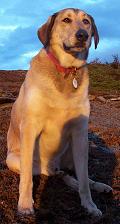
Yesterday morning there was termination dust or the first powder of snow on the mountains. Last night the wind kicked into high gear and this morning I curled under my blankets listening to things blowing by, pieces of roofing, unsecured garbage cans, the rose bush clippings that my neighbor had been intending to burn. High thrashing winds set the perfect mood for the Disreputable Cat to go crazy and race around the house as the Disreputable Dog looked on tolerantly, but rather like an old man shaking his head about what youngsters get up to these days, and me laughingly. All of the leaves have been shaken down from the trees overnight. The wind has changed directions; in the summer our weather comes from the south, in the winter from the north, and this was a north wind.


A Bald Eagle hangs out during a January snowstorm

The thing is, I love wind, I love rain, I love snow. But what I don't like is when it all combines together. It is typical here for it to snow 4-5 feet and then immediately start to rain in similar amounts. This results in the snow clogging the city drains which results in sheets of ice so thick that, I kid you not, I have seen people ice skate down the streets & sidewalks. On top of the ice then, you have a good foot of water which makes any slide on the ice twice as likely and ignominious; not only do you go down on your ass but you also fall into a puddle of icy water that soaks you from head to toe. Add to this 40-50 mile per hour winds and the whole town becomes an ice rink (and on a bicycle I am a sail trying to push against the wind & trying to not get blown into the bay). Last year I wore through 4 pairs of ice grippers and a couple of pairs of knee pads from falling off my bike - there's that moment when you know you're going down and there is absolutely nothing you can do to stop it. This year I am investing in studded bike tires....and I've already stocked up on new ice cleats which will be worn over my XtraTuffs (variously known, depending on your locale, as rain boots, barn boots, wellies, etc).

16 August 2007

The Changing Alaskan Arctic/ Sub-Arctic

Warning, I'm going to get on my soapbox a little here. People ask me all the time if I've noticed the effects of climate change in the north. I have. As a scientist I have seen reams of data from various colleagues that all show the same worrying trends. I am not going to talk about data or figures here though, I want to present my personal observations about the changes that have occurred in the time that I have lived in Alaska. In the last seven years folks. The arctic is sort of the bell weather of change but I know that changes like this are happening all over the world in your communities too - all the "unusual" & "record setting" weather is just one example. Dispersed in between my observations will be photos (taken from the air) of icebergs and glaciers that I have the privilege to experience in my landscape that are melting away - I want to share with you the beauty of this ice, especially if you have never seen it before and as it is particularly vulnerable to climate change. And a quick note: I will not be replying to comments that demand that this isn't happening, I mean come on, even the current US president Dubya has finally admitted it is. If you believe there is no change or that the degree of change is natural arguing with you is like arguing with a believer over some sacredly held interpretation of text; it's pointless. I will however, address thoughtful questions.


Permafrost is melting. This is causing houses to sink and tilt into the landscape, causing bike paths & roads that were once even surfaces to bump up. It is causing lakes to disappear (through a process called thermakarst). Ironically, the ice roads that oil companies use to access their wells are melting meaning they can use them less and less time out of the year.


Lakes & wetlands are disappearing both because of thermakarst & because of increased air temperatures.


As lakes & wetlands disappear they fill in with shrubs and trees. The habitats of wild things that like marshy land shrinks. More lakes freeze solid in the winter as they are shallower. This means less fish stock (including the economically valuable salmon) is surviving the winter which means there are less fish in the oceans.


The ice is melting. Glaciers are melting for multiple reasons. As the temperature of sea water has raised a degree the are melting faster where they meet the ocean, with increased heat in the atmosphere more of them is evaporating into the air, with increased rain caused by changing weather patterns they are pooling up more and melting from the top down as well as the bottom up.


Calving glacier melting is causing changes in water temperature and availability of ice for habitat of ice seals. The bergs are lasting less and less long into the season, the calving occurs with greater frequency.


Glacier melting and warmer temperatures have increased the shrub & tree lines in the arctic. Whole landscapes and views that once existed have disappeared.


Increased fires in interior Alaska have led to a decrease in trees and an increase in heat loss to the atmosphere and a reduction in CO2 recycling by plants and an increase in smoky skies which affect living quality.


Bug infestations such as birch bark beetle and leaf miner which used to cycle every ten years have now been heavy for three years running in interior Alaska causing these trees to be drier and more susceptible to flame. Between flame & bugs the lowlands of Alaska may become grassland while the uplands become shrubby.

Changing winds have increased the impact of mosquitoes on caribou & reindeer on the north slope as these animals are finding less and less relief. More die from insect harassment and from the energy required to keep moving to keep them off.


The ocean is rising. Arctic villages are sinking into the waves and are having to be pulled back from the edges.


The oceans are not freezing as completely or as securely to the shore. Fast ice, which allows both polar bears and people to get out on the ice is disappearing stranding polar bears on land causing an increase in bear/ human conflict.


The rivers are not freezing as completely for as long. Rivers are the traditional method of getting around bush Alaska and the time that they are unstable - where you can not dog mush, snow machine, or boat on them - is increasing making communities more isolated.


Snow is not what it used to be. It falls later, it melts earlier. If you question this note that the last 3 years the famous Iditarod sled dog race re-start location has had to be moved north from it's traditional location as there is not enough snow.


Parasites are showing up in Alaskan wild animals that have never been seen in Alaska before.


The arctic is the place where change is happening fastest. Look around you, every where people are saying "This is really abnormal weather" or "Record year for this (fill in the blank with the weather in your area)". This is happening everywhere the world over. The climate is changing folks. And it is our habits that are doing it.


Note: I do not use "global warming" as I feel this term is both mis-leading and a political salve. People feel better if you talk about warming, they feel they wouldn't mind if it warmed. But the truth is that it is global change which exacerbates all climate patterns. It makes the cold colder in the winter, the hot hotter in the summer, the dryness dryer, the wetness wetter, and the storms bigger and more unpredictable. The US administration which has belatedly admitted that climate change is happening would prefer us to use warming because warming sounds milder. It lulls us and keeps us from acting - words are power and how we describe something can take or give strength to it.